-
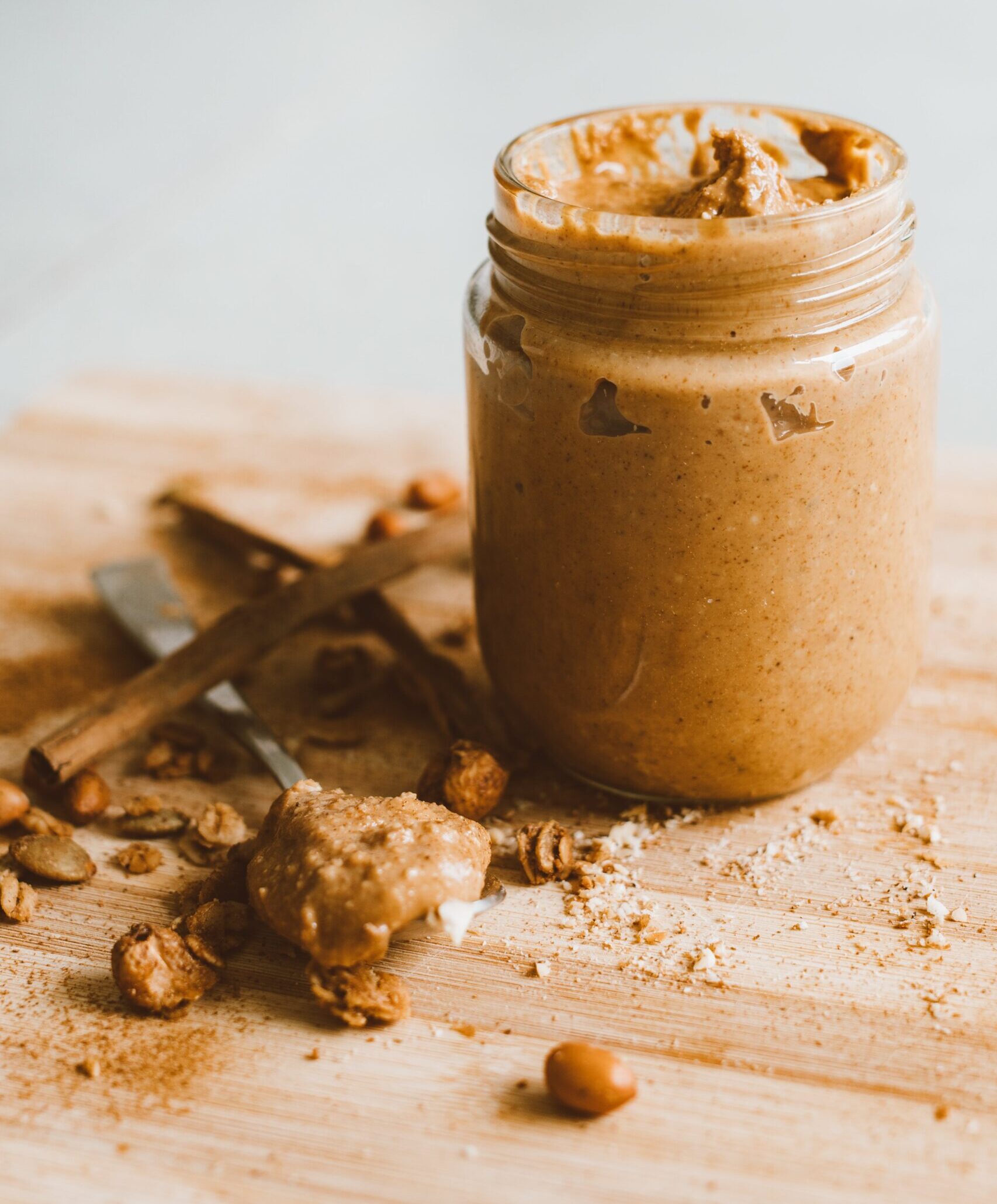
The peas have it – the peanuts definitely do not
Last month I was in the unfortunate state of suffering debilitating shoulder pain. Apparently, my neck was the cause – C5 and C6 to be exact. Popular advice is heat treatment or the alternative, icing it. The precise icing method is a packet of frozen peas. I have always wondered why peas? Does this mean…
-

The quality of English writing is going down hill: proofreading for excellence
I referred to a report by the Road Traffic Management Corporation for an article I was writing for a client. It referred to information settlements along the freeway. It must have meant to say informal settlements. Whoever wrote this was asleep, did not know any better or just made an innocent mistake. Possibly, predictive text…
-

So, what’s a lexophile?
Two problems here: 1. This statement is not original; 2. It simply does not make sense and would work better if they ‘got too small for their pants’, having them fall right off. If they are “too big for their pants their bellies (boeps) can be covered by a long shirt so no exposure necessary.
-

Allude vs elude
The people of Tibet who bestow this honour upon him have witnessed his ability to elude (evade or escape from a danger, enemy, or pursuer, typically in a skillful or cunning way) censure for his prior misogynistic statements which he has escaped with a mere slap on the wrists.
-
Shine. It’s your right
We were born to make manifest the glory of God that is within us. It’s not just in some of us; it’s in everyone.
-

Half-nelson: origin of words
Horatio Nelson was first to be ascribed naming rights, himself a contender in war. He found this strategic use of the movement effective in the Battle of the Nile and the Battle of Trafalgar both of which he won.
-

Gotta love Shakespeare: origin of idioms
An idiom as colour to language. If music be the food of love was coined by Shakespeare in Twelfth Night. Here we discuss usage
-

10 things I bet you didn’t know about the English language
English is arguably the most confusing language in the world. That’s why we love it (perhaps I speak for myself – that’s why I have a language blog.) Nonetheless, I’m sure you will find the following language trivia interesting. 5 billion – that’s the number of words in the Oxford English Corpus The Oxford English…
-

Don’t dis my dogs: origin of words
With ‘must love dogs’ embedded in my LinkedIn profile, you might guess that I am rather distressed to learn that the origin of the word ‘doggerel’ originates from a time when people thought dogs were less than honorary human beings. Can you just imagine living in such a heartless age, with “mean, contemptible” associations of…
-

Zeitgeist: origin of words
“The general moral, intellectual, and cultural climate of an era; For example, the Zeitgeist of England in the Victorian period included a belief in industrial progress, and the Zeitgeist of the 1980s in the United States was a belief in the power of money and the many ways in which to spend it.”

Professional Writing Services