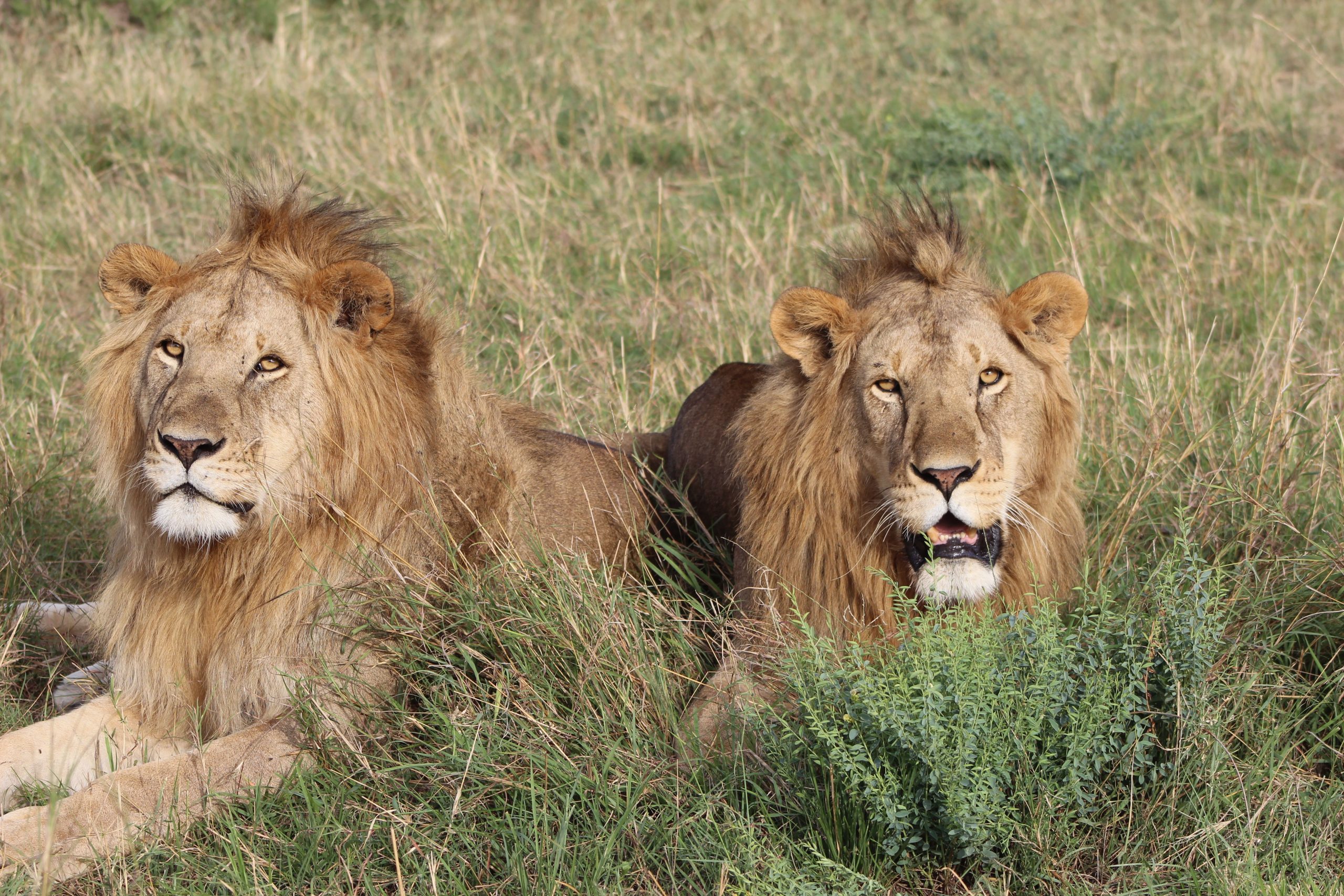
I have to say, I’m not a fan of beards on men. I like clean-shaven, short back and sides. So when I happened across the phrase “to beard the lion” in a memoir I was reading. I was eager to find a situation where I would be partial to the beard. And here it is.
You could be challenging an unfair boss, questioning a public figure, or standing up to a bully. These great acts of courage are colourfully captured in the phrase “to beard the lion.”
King of the beasts
The expression conjures a vivid image. Imagine approaching a lion, the undisputed king of beasts, and grasping it by the beard. It is not merely risky; it is reckless. Unsurprisingly, the idiom came to mean confronting a formidable person in their own domain, often despite the danger involved.
Don’t touch
The phrase emerged in the nineteenth century, although its roots lie in older traditions where a person’s beard symbolised dignity, authority, and honour. To seize or touch another man’s beard without permission was considered a grave insult in many cultures. Combining this symbolism with the lion, a longstanding icon of strength and power, created a potent metaphor for challenging authority directly.
Home advantage
The idiom gained popularity through literature. One of the most influential examples appears in the 1855 poem Lady Geraldine’s Courtship by the English poet Elizabeth Barrett Browning. In the poem, Browning wrote of a man who would “beard the lion in his den.” This fuller version of the expression remains common today and emphasises not only confronting the powerful but doing so on their own territory, where they possess every advantage.
Hard-hitting
In modern usage, the phrase often appears in political commentary, journalism, and everyday conversation. A whistleblower who exposes corruption within a powerful organisation may be said to have bearded the lion. A journalist conducting a hard-hitting interview with an influential leader might also fit the description. The phrase carries an undertone of admiration, suggesting moral courage rather than mere recklessness.
Courage
Most of us have had moments when we needed to confront someone powerful, intimidating, or downright fearsome. Like many enduring idioms, “to beard the lion” survives because it captures a universal human experience. Throughout history, people have admired those willing to challenge power, especially when the odds are stacked against them. The lion may change shape—from monarchs and generals to corporations and celebrities—but the courage required to face it remains the same.
(Research assisted by AI)
Sucking the hind tit : related idioms
Talking the hind legs off a donkey: How idioms originate