
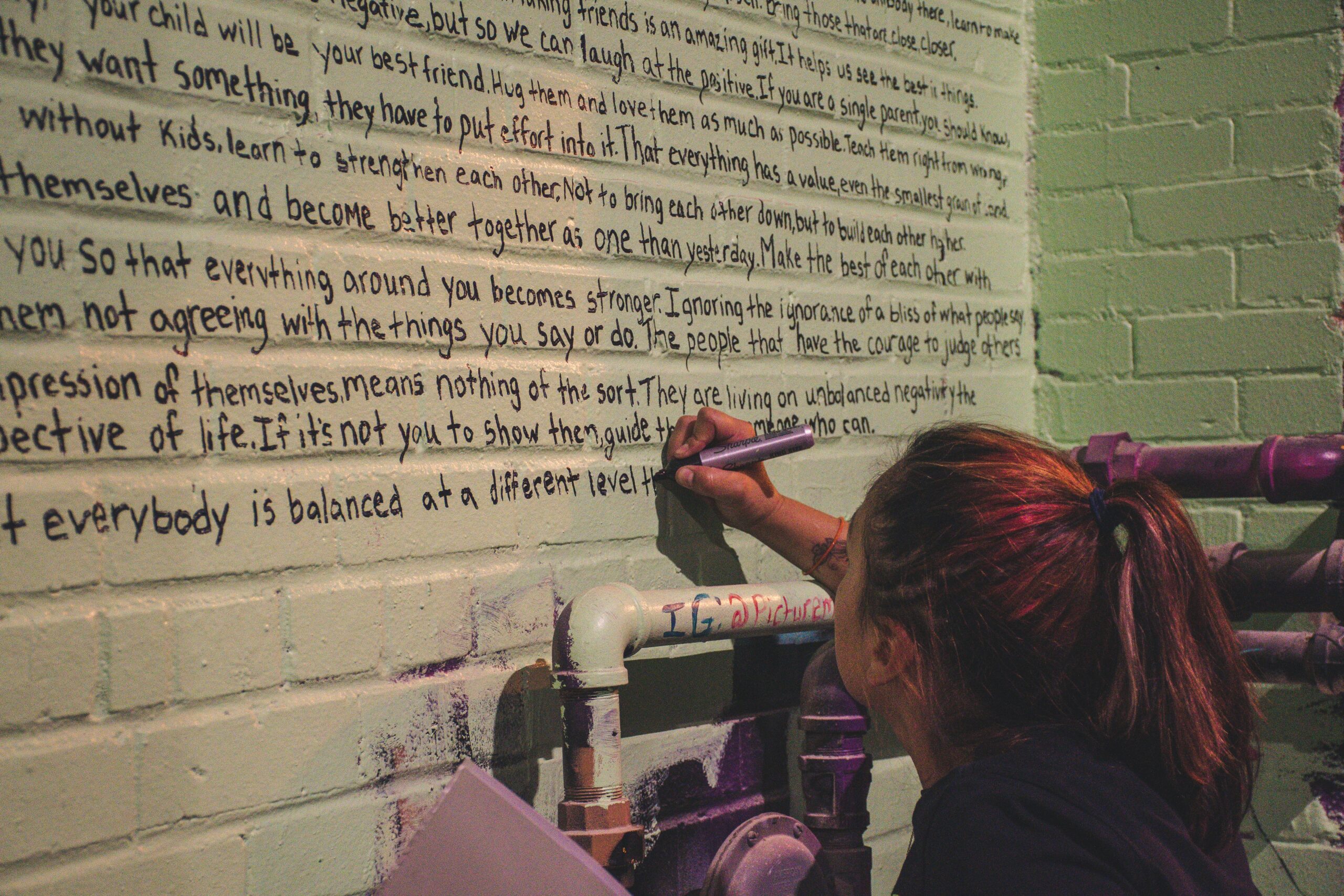
When a friend drops me off at home, I tell her, “The writing is on the wall” as the house on the corner where she has to turn has the owner’s name painted on it, and it just so happens to be the same name as hers. To say, “The writing is on the wall,” to remind her where to make a left, never gets corny.
However, there is a more significant meaning to the phrase, which dates back several centuries.
Tell the truth
Some phrases survive because they capture a truth so perfectly that generations keep reaching for them. “The writing is on the wall” is one of those expressions – a dramatic warning wrapped in ancient imagery. We use it when disaster seems inevitable, when the signs are obvious, or when denial is no longer possible. Long before it became the language of failing businesses, doomed relationships, or collapsing political careers, however, the phrase emerged from one of the most chilling scenes in the Bible.
Biblical wisdom
The expression comes from the Book of Daniel in the Old Testament. During a lavish feast, the Babylonian king Belshazzar allegedly saw a mysterious hand appear and write strange words on the palace wall. None of his wise men could understand the message. Eventually, the prophet Daniel interpreted it as divine judgment: the king’s reign was ending, and his kingdom would fall. According to the story, Babylon was conquered that very night. The terrifying image of a message literally appearing on a wall became a symbol of unavoidable doom – a warning already too late to prevent.
A clear outcome
Over time, the phrase moved from scripture into everyday language. By the 18th and 19th centuries, English writers were using “the writing is on the wall” metaphorically to describe situations where the outcome was already clear. Today, it usually refers to unmistakable signs of decline or failure. A company losing clients, a sports team caught off guard mid-season, or a politician facing scandal might all prompt someone to say, “The writing is on the wall.”
Film and pop art
The phrase appears frequently in popular culture because it carries such theatrical weight. In the James Bond film No Time to Die, there is even a song titled Writing’s on the Wall by pop icon Sam Smith. Rock bands, novelists, and journalists have all borrowed the expression to evoke impending collapse or fate closing in.
Human afterall
What gives the idiom its enduring power is that it speaks to human nature. Often, the signs are there long before the end arrives. Markets weaken. Trust erodes. Empires wobble. Yet people continue as though nothing is wrong. “The writing is on the wall” reminds us that warnings are easiest to recognise in hindsight – and hardest to accept when they matter most.
(Research assisted by AI)
Nothing but a Damp Squib: idiom usage
Cutting your coat may lead to cold knees and fewer cups of coffee: Idioms

Great article!
Thank you