-

No comma sense: Three common uses for this little grammar tool
I once punned in a headline “No comma sense”. This referred to a number quoted by a government department which did not know where to put the comma between noughts so it had created an astronomical number, millions more than what was accurate. With numbers commas and their placing are critical. With words, commas are…
-
How important is email accuracy?
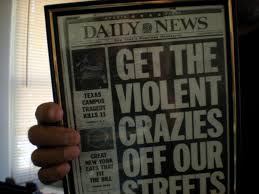
Is email an art or science? If we consider science as accurately written text and art as anything slapped down on the page, then I would be persuaded to think that email leans towards the latter. I had a very hard learning experience working at a daily newspaper. With the prestigious title of deputy chief…
-

English idioms: how they get distorted
The other day, a friend asked, “How do you spell towing the line as in the sense of complying? Is it toing or towing? This is just one of many examples of how idioms become distorted over time. The correct spelling, to answer my friend, is toeing. The original idiom stems from a literal situation.…
-

Five word pairs to increase your word power
Today I’d like to share these word pairs that always confuse new writers. Not to sound arrogant there are plenty words in the English language that I need to check on for correct usage, despite considering myself an English language professional. I have selected these five word pairs so that you can easily increase your…
-

A deadly blutterance: How words are formed
Blasted, blithering and blooming. All lovely descriptive words with a possible to probable note of irritation in how they are expressed, depending on context of course. These words remind me that the art of conversation could be in jeopardy what with SMS, Twitter and Google-speak. As the age of digitisation overwhelms us tweeny and teeny…
-
Theft and larceny: correct usage
With so much exposure to people’s dirty legal laundry and equal amounts of televised fictional dramas – Law and Order my personal favourite – I often heard the charge of larceny and never understood what it meant. So today I delved into it. In its simplest definition, larceny is theft. But falling into the legal…
-
How words are formed
The English language owes much to many. From the outset it borrowed from Germanic, French, Latin and Dutch influences, to name just a few. Overtime the language has seen words come and go. Word styles and forms change continuously. Suffice to say the language lives among its users. Word formation is a vast topic. Today’s…
-

The incidence of incidents
There’s not much to say about incidence and incident except that temptation (also read auto brain) to misuse the two words is quite common. It’s one of those cases in the English language where words sound the same with different spelling. I find these the most challenging in the language and tend to make the…
-

Tintinnabulation: Origin of words and #belltolls4JZ
Tintinnabulation. This delightful six-syllable tongue-twister made its debut in 1831 according to some sources, even earlier according to others. Online Etymology Dictionary states its origin in usage as “the ringing of bells,” 1823, from the Latin tintinnabulum “bell,” from tintinnare “to ring, jingle”. Its other near relatives in earlier forms of English were as an adjective…
-
Take out the rubbish: When nouns become verbs
I am the first to admit, I am not always original but I do try to be topical and even then, perhaps decades out of touch. Bear with me. The word rubbish used as a verb, first struck me about a decade ago when used by a most unsuitable boyfriend who said I had rubbished…

Professional Writing Services